Home / CSV Management
Computer system validation with data integrity built in.
Risk-based validation of GxP computerised systems, aligned to EU GMP Annex 11 and ALCOA+ principles.
Overview
Systems you can trust, records you can defend.
We plan and manage validation for LIMS, MES, CDS, cloud systems and other GxP systems, so your records are reliable and your systems remain in a validated state.
Validation lifecycle
From impact assessment to periodic review.
- 01
GxP impact assessment
Determine which systems and records affect product quality, patient safety or data integrity.
- 02
System inventory
A controlled inventory of computerised systems and their GxP criticality.
- 03
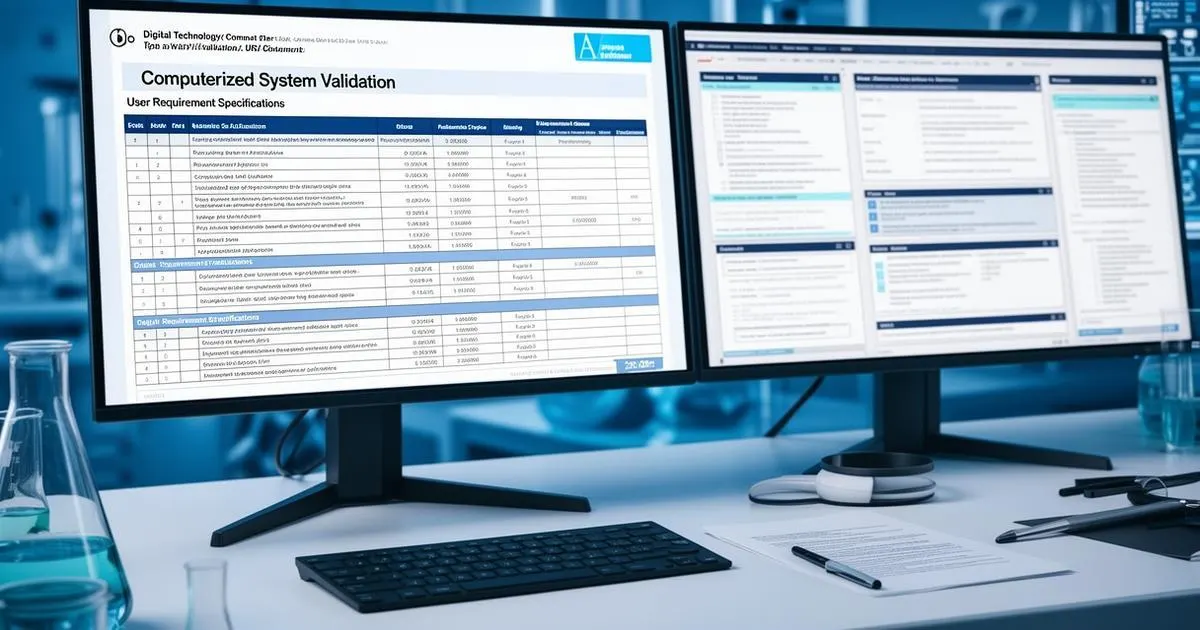
User requirements specifications
Clear, testable requirements that define intended use.
- 04
Risk assessments
Focus validation effort where product and data risk sit.
- 05
Qualification and validation testing
Planned, documented verification that the system is fit for its intended use.
- 06
Traceability matrix
Demonstrable links from requirements through to test evidence.
- 07
Validation summary reports
A concise record that the system is validated and released for use.
- 08
Periodic review
Confirmation that the system remains suitable and controlled.
- 09
Change control
Assessed, approved and documented changes that keep the system validated.
Regulatory framework
Expectations we work to.
Our approach is aligned to recognised guidance for computerised systems in GxP environments.
- EU GMP Annex 11: Computerised Systems
- PIC/S, MHRA and WHO data integrity guidance
- ISPE GAMP 5 risk-based approach
- ALCOA+ principles for data integrity
Related insights
Guidance on computerised systems.

Computerised System Validation in Practice: What Inspectors Expect from GxP Systems
Computerised systems are widely used across pharmaceutical manufacturing, laboratory testing, quality management, warehousing, and regulatory documentation. Examples include Laboratory Information...

EU GMP Annex 11, Chapter 4 and Annex 22: What Is Changing and What to Do Now
Pharmaceutical manufacturing increasingly relies on computerized systems, electronic records, automated processes, and digital technologies. These systems can improve efficiency and traceability,...
Data Integrity Red Flags Found in API Audits
Data integrity is fundamental to pharmaceutical quality because decisions about manufacturing, testing, and product release depend on accurate and reliable records.
Next step