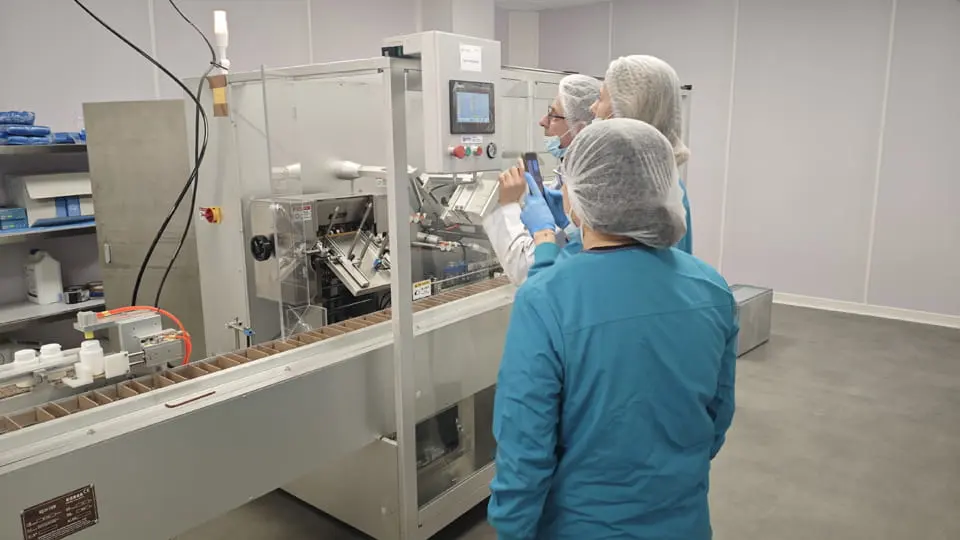
Customer audits are an important part of supplier qualification and ongoing oversight in the pharmaceutical industry. For an Active Pharmaceutical Ingredient (API) manufacturing site, an audit allows a customer to evaluate whether the supplier's quality systems, manufacturing controls, laboratory practices, and documentation support consistent product quality and applicable Good Manufacturing Practice (GMP) expectations.
Successful audit preparation is not simply about arranging documents or cleaning the facility before the auditor arrives. It is about ensuring that the site can demonstrate, through reliable records and actual practices, that its processes are controlled and its quality system is effective.
This practical guide outlines the key areas an API site should review before a customer audit.
1. Review the Audit Scope and Requirements
Preparation should begin with a clear understanding of what the customer intends to assess.
Confirm:
- The audit date, duration, agenda, and audit team.
- The API, manufacturing site, and activities included in the scope.
- The applicable GMP standards and customer-specific requirements.
- The departments, systems, and personnel likely to be involved.
- Any documents or records requested before the audit.
- The status of findings from previous customer or third-party audits.
Use the audit agenda to coordinate preparation across Quality Assurance, Production, Quality Control, Engineering, Warehousing, and other relevant functions.
2. Documentation and Record Readiness
Documentation is often one of the first areas reviewed during an API audit. Records should be complete, accurate, traceable, approved where required, and readily retrievable.
Review the availability and current status of:
- Site master file and relevant facility information.
- Standard operating procedures (SOPs).
- Batch manufacturing and packaging records, where applicable.
- Raw-material receipt, sampling, testing, and release records.
- Specifications, analytical methods, and certificates of analysis.
- Deviation investigations, CAPAs, and change-control records.
- Equipment qualification, calibration, and maintenance records.
- Cleaning records and cleaning-validation documentation, where applicable.
- Training records and personnel qualification evidence.
- Relevant validation, stability, and process-monitoring records.
Do not create or modify records merely to make them appear audit-ready. Corrections must follow approved procedures, preserve traceability, and reflect what actually occurred.
3. Personnel Readiness and Training
Employees should understand their responsibilities and the procedures relevant to their work. They should be able to explain routine activities clearly and accurately.
Before the audit:
- Confirm that required GMP and job-specific training is current.
- Review responsibilities for critical manufacturing and laboratory activities.
- Ensure relevant personnel are available for their assigned sessions.
- Explain the audit process and how documents and questions will be handled.
- Remind staff to answer honestly and within their area of knowledge.
Personnel should not be coached to provide scripted answers or encouraged to guess. If someone does not know an answer, they should say so and direct the question to the appropriate subject-matter expert.
4. Manufacturing Controls and Facility Readiness
Auditors may review whether manufacturing operations are performed under controlled and documented conditions.
Depending on the site's processes and audit scope, review:
- Material identification, status labelling, and traceability.
- Weighing, dispensing, and material handling controls.
- Equipment status, cleaning, maintenance, and calibration.
- Process parameters and in-process controls.
- Prevention of contamination and cross-contamination.
- Environmental and utility controls where relevant.
- Equipment and facility qualification status.
- Deviation handling and response to unexpected process results.
- Storage conditions and material segregation.
Walk through the facility from the perspective of an auditor. Check whether actual practices match approved procedures and whether any discrepancies have been assessed and addressed through the quality system.
5. Laboratory Systems and Analytical Controls
Laboratory controls provide important evidence that materials and products meet established quality requirements.
Review whether:
- Approved specifications and analytical methods are available.
- Instruments are qualified or calibrated as required.
- Analysts are appropriately trained.
- Reference standards and reagents are controlled.
- Raw data and calculations are complete and traceable.
- Out-of-specification (OOS) and out-of-trend (OOT) results are investigated appropriately.
- Laboratory deviations and invalidated results have documented justifications.
- Data review and approval procedures are followed.
- Electronic laboratory systems have appropriate access and control mechanisms.
Pay particular attention to original data, supporting records, calculations, and investigation trails. A final report or certificate alone may not provide sufficient evidence of how a result was generated and reviewed.
6. Data Integrity and Electronic Records
Data integrity is a critical audit area because quality decisions depend on reliable records.
The ALCOA+ principles provide a useful framework for evaluating data. Records should be attributable, legible, contemporaneous, original, and accurate, along with being complete, consistent, enduring, and available.
Before the audit, review:
- Individual user accounts and role-based access.
- Audit-trail availability and review, where applicable.
- Electronic signatures and record controls.
- Backup, retention, and retrieval arrangements.
- Management of shared accounts and administrator privileges.
- Controls over spreadsheets and other tools used for GMP-related calculations.
- Procedures for recording, correcting, reviewing, and retaining data.
- The handling of missing, repeated, amended, or invalidated results.
Do not focus only on whether systems are installed or functioning. The site should also be able to demonstrate that systems are used appropriately and that relevant data are reviewed and protected throughout their lifecycle.
7. Quality Management System Effectiveness
Auditors often assess whether the site's Pharmaceutical Quality System identifies problems, investigates their causes, and prevents recurrence.
Review the effectiveness of:
- Deviation and nonconformance management.
- Root-cause analysis and CAPA.
- Change control.
- Complaint and quality-defect handling, where applicable.
- Internal audits and management review.
- Supplier qualification and monitoring.
- Product quality review or other applicable periodic quality assessments.
- Training and continuous improvement.
- Escalation of significant quality risks.
A closed CAPA is not necessarily an effective CAPA. The site should be able to explain the identified root cause, the actions taken, the supporting evidence, and any effectiveness checks required by its procedures.
8. Prepare an Audit Room and Document Retrieval Process
An organized audit process helps reduce delays and supports clear communication.
Before the audit:
- Assign a coordinator to manage the agenda and requests.
- Identify subject-matter experts for each department.
- Establish controlled access to requested documents and records.
- Ensure documents are provided in their approved versions.
- Track each request and its response status.
- Record questions that require further investigation.
- Agree on a process for documenting and clarifying observations.
Documents should be provided accurately and through authorized channels. If a requested record is unavailable, explain the situation and follow the site's established escalation process rather than making unsupported statements.
9. How to Handle Audit Findings
If an auditor identifies a potential deficiency, listen carefully and ensure the issue is understood.
A professional response should include:
- Clarifying the observation and the evidence supporting it.
- Identifying the applicable procedure or requirement.
- Recording the issue through the appropriate process.
- Assessing the potential impact on product quality, patient safety, and compliance.
- Conducting a proportionate investigation and root-cause analysis.
- Defining corrective and preventive actions where required.
- Providing evidence of implementation and effectiveness as appropriate.
Avoid dismissing observations prematurely or promising immediate corrective action before the issue has been properly assessed.
10. Final Pre-Audit Checklist
Use this checklist to structure the final readiness review.
- Audit scope, agenda, and responsibilities are confirmed.
- Requested documents and relevant records are available.
- Previous audit findings and CAPA status have been reviewed.
- Personnel training and subject-matter expert availability are confirmed.
- Manufacturing, laboratory, and storage practices align with approved procedures.
- Equipment, qualification, calibration, and maintenance records are current as required.
- Data integrity controls and electronic records have been reviewed.
- Deviations, changes, and CAPAs are appropriately documented.
- Document retrieval and audit coordination arrangements are in place.
- Potential gaps have been assessed and managed through the quality system.
Conclusion
Effective customer audit preparation begins well before the audit date. It requires consistent GMP practices, reliable documentation, trained personnel, effective laboratory and manufacturing controls, and a quality system that responds appropriately to identified risks.
The objective is not simply to pass an audit. It is to demonstrate that the API site operates in a controlled, transparent, and evidence-based manner.
PharmaTrak conducts independent, evidence-based GxP audits to help pharmaceutical organizations assess compliance, identify gaps, and make informed supplier-quality decisions.
Regulatory note: This article is for general educational purposes. Audit scope and expectations vary according to the applicable GMP requirements, the site and activities being assessed, and the customer's quality requirements**.