Regulatory inspections help determine whether pharmaceutical organizations operate in compliance with applicable Good Manufacturing Practice (GMP) requirements and maintain effective quality systems.
For organizations manufacturing, importing, or supplying medicinal products and APIs, inspections by the UK's Medicines and Healthcare products Regulatory Agency (MHRA) or competent authorities in the European Union can have important implications for compliance, supply continuity, and business operations.
Inspection readiness should therefore be part of routine quality management—not an activity that begins only after an inspection notification arrives.
This article outlines practical steps for preparing personnel, documentation, facilities, and quality systems for an inspection.
1. Understand the Inspection Scope
The first step is to understand the purpose and scope of the inspection.
Depending on the circumstances, an inspection may focus on a manufacturing site, API operations, a particular product, a quality-system concern, or compliance with specified regulatory requirements.
Preparation should establish:
- The authority conducting the inspection.
- The site, products, and activities within scope.
- The inspection type and available agenda.
- The relevant regulatory requirements.
- The status of previous inspection observations.
- The departments and personnel likely to be involved.
- Any requested documents or pre-inspection information.
MHRA and EU inspections operate within their respective legal and regulatory frameworks. Organizations should confirm which requirements apply to their specific activities rather than assuming that every inspection follows an identical process.
2. Assess the Effectiveness of the Quality Management System
Inspectors commonly examine whether the Pharmaceutical Quality System is effective in identifying, investigating, and controlling quality risks.
Review the implementation and effectiveness of:
- Deviation and nonconformance management.
- Root-cause investigations and CAPA.
- Change control.
- Supplier qualification and monitoring.
- Complaint and quality-defect management, where applicable.
- Training and personnel qualification.
- Internal audits and management review.
- Document control.
- Risk management.
- Product quality review or other applicable periodic reviews.
A procedure may be well written but ineffective in practice. Organizations should be able to demonstrate that procedures are followed, problems are investigated appropriately, and actions prevent recurrence where required.
3. Documentation and Record Readiness
Documentation should be complete, accurate, controlled, and retrievable.
Depending on the site's activities, relevant records may include:
- Site master file and facility information.
- Standard operating procedures and associated training records.
- Batch manufacturing records.
- Raw-material and finished-product testing records.
- Equipment qualification, calibration, and maintenance records.
- Cleaning and process-validation documentation, where applicable.
- Deviations, CAPAs, and change-control records.
- Supplier qualification and audit reports.
- Stability and product-quality records, where applicable.
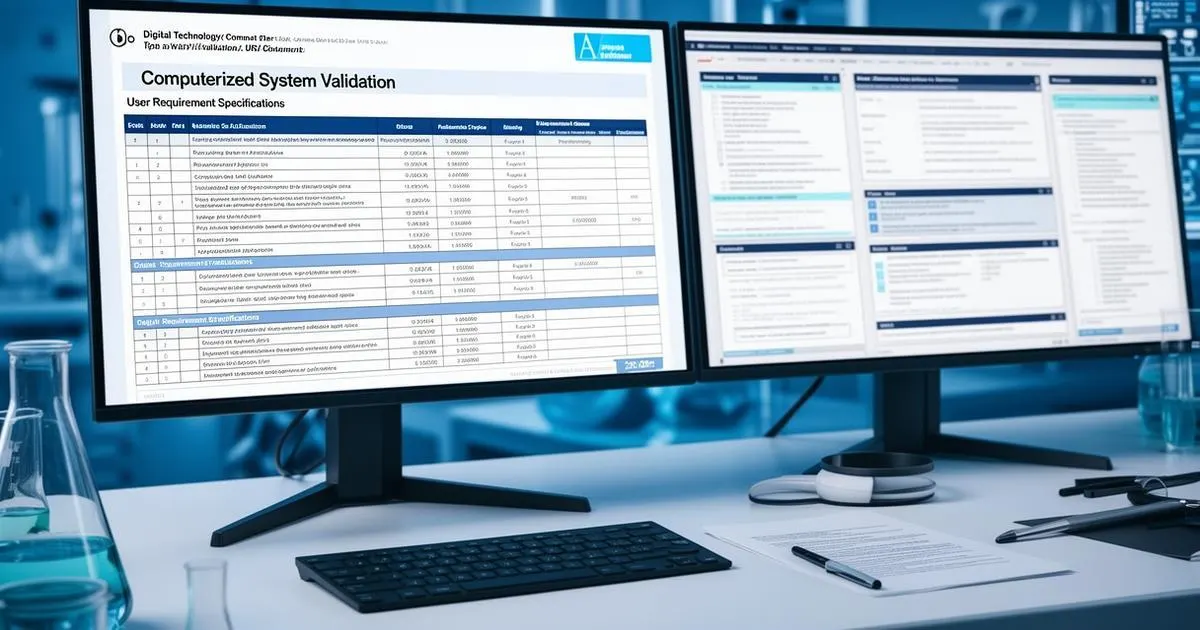
- Computerised-system validation and data-integrity documentation.
Check whether records are consistent across departments and whether the information reflects actual operations.
Never backdate records, reconstruct missing evidence without transparent documentation, or make retrospective changes simply to create an appearance of compliance. Any correction or remediation must follow approved procedures and preserve traceability.
4. Personnel and Inspection Conduct
Personnel should understand their roles and be familiar with the procedures relevant to their work.
Before an inspection:
- Confirm the availability of key personnel and subject-matter experts.
- Review required GMP training and job-specific qualifications.
- Explain the inspection process and communication arrangements.
- Assign a coordinator to manage questions and document requests.
- Establish how questions requiring further investigation will be handled.
- Ensure that management and Quality Assurance understand escalation responsibilities.
During interviews, personnel should answer truthfully, clearly, and within their knowledge. They should not guess, speculate, or provide unsupported assurances. If an answer is uncertain, it is appropriate to clarify the question and involve the relevant subject-matter expert.
5. Facilities, Equipment, and Manufacturing Controls
The inspection team may compare actual site conditions with approved procedures and documented controls.
Review the condition and control of:
- Manufacturing and laboratory areas.
- Material and product status identification.
- Equipment maintenance and calibration.
- Cleaning and contamination-control measures.
- Storage conditions and material segregation.
- Environmental and utility systems, where relevant.
- Process parameters and in-process controls.
- Equipment qualification and validation status.
- Waste handling and other relevant site operations.
A pre-inspection walkthrough can help identify discrepancies between documented procedures and actual practice. Issues should be assessed and managed through the quality system rather than hidden or temporarily disguised.
6. Data Integrity and Computerised Systems
Data integrity is a critical part of demonstrating that quality decisions are based on reliable evidence.
Review whether records are attributable, legible, contemporaneous, original, accurate, complete, consistent, enduring, and available.
For paper and electronic records, consider:
- User access and accountability.
- Audit-trail controls and review, where applicable.
- Electronic signatures and record security.
- Raw data and supporting calculations.
- Handling of OOS and OOT results.
- Data retention, retrieval, and backup.
- Controls over spreadsheets and other tools used for GxP activities.
- Computerised-system validation and change management.
- Investigation of unusual or unexplained data patterns.
An inspection may examine the underlying data, not only the final report or summary. Organizations should ensure that the evidence supporting critical quality decisions can be retrieved and explained.
7. Managing the Inspection Day
A clear inspection-management process helps maintain accurate communication and efficient document handling.
Recommended arrangements include:
- Designate a primary inspection coordinator and appropriate backup.
- Establish a controlled process for receiving and tracking requests.
- Provide approved and relevant records through authorized channels.
- Maintain a log of documents provided, questions raised, and responses pending.
- Involve the appropriate subject-matter experts.
- Clarify questions when their meaning or scope is uncertain.
- Escalate potential critical quality or compliance concerns promptly.
- Ensure that responses are accurate, consistent, and supported by evidence.
The purpose is not to control what the inspector can discover. It is to ensure that information is provided accurately, transparently, and through an organized process.
8. Responding to Inspection Observations
When an inspector raises an observation, the organization should ensure that it is understood and assessed appropriately.
A structured response should consider:
- The observation and the evidence supporting it.
- The relevant regulatory requirement or procedure.
- The potential impact on product quality, patient safety, and data integrity.
- Whether the issue may affect other products, batches, systems, or sites.
- Root-cause analysis and corrective action.
- Preventive measures and effectiveness checks, where applicable.
- Supporting documentation and response timelines.
Avoid dismissing observations without evidence or making commitments that have not been evaluated for feasibility and effectiveness.
The response process should be managed by Quality Assurance, with appropriate technical, regulatory, and management involvement.
9. Common Inspection-Readiness Gaps
Common areas of concern include:
- CAPAs closed without adequate evidence of effectiveness.
- Repeated deviations or unresolved quality issues.
- Inconsistencies between procedures and actual practice.
- Missing or difficult-to-retrieve records.
- Inadequate control of electronic data and audit trails.
- Incomplete training records.
- Poorly justified validation or qualification decisions.
- Weak oversight of suppliers and outsourced activities.
- Changes implemented without appropriate assessment.
- Previous inspection observations not addressed sustainably.
Inspection readiness requires identifying and addressing these weaknesses before they develop into more significant compliance concerns.
10. Practical Inspection-Readiness Checklist
- Inspection scope and applicable requirements are understood.
- Previous inspection findings and commitments have been reviewed.
- Quality-system procedures are current and implemented.
- Deviations, CAPAs, and change controls are appropriately managed.
- Relevant documentation and raw data are retrievable.
- Personnel training and subject-matter expert availability are confirmed.
- Facilities, equipment, and manufacturing controls have been reviewed.
- Data integrity and computerised-system controls are assessed.
- Inspection coordination and document-request tracking are established.
- Significant gaps have been assessed, escalated, and addressed through the quality system.
Conclusion
Effective inspection readiness is built through consistent GMP practices, reliable records, trained personnel, controlled facilities, and an effective Pharmaceutical Quality System.
The strongest preparation is not about creating a temporary impression of compliance. It is about demonstrating that quality risks are understood, processes are controlled, and identified problems are addressed with evidence and accountability.